PRECISION ESPRESSO TOOLS
Wood and steel,
calibrated for level extractions
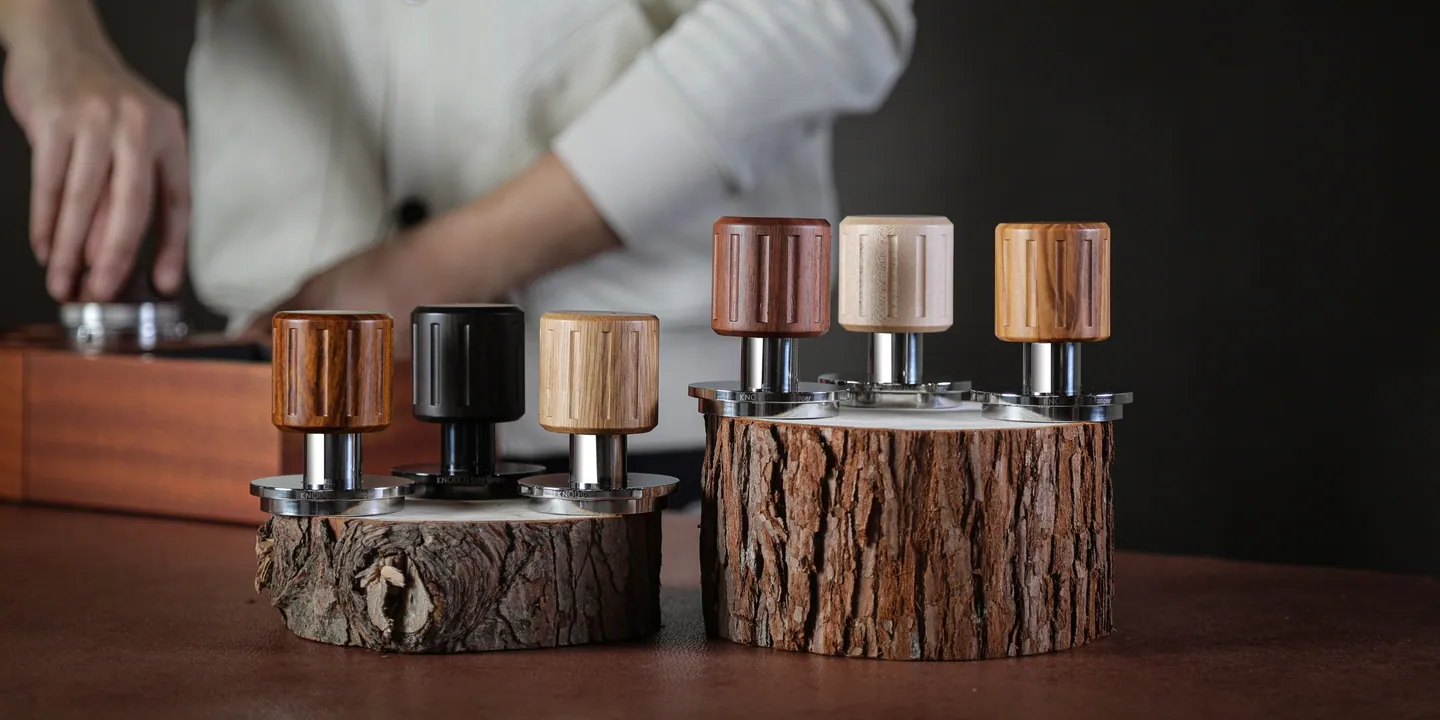
Our range brings consistency to your daily bar setup with calibrated tampers, tamping stations, bottomless portafilters, dosing funnels, and knock boxes. Every piece is turned in walnut, rosewood, and maple over stainless steel to support accurate dosage and level extractions.
The range
Shop by department
Browse our nine departments by the two decisions that shape your setup: group size and wood choice. Every tool lists its exact fit (51, 54, or 58 mm) alongside the specific wood it is turned from.
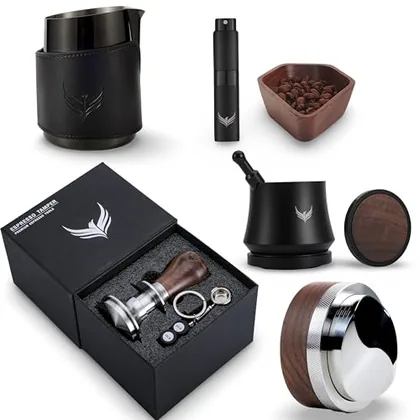
Tool Kits
171 products · The full bench in one box: tamper, station, funnel and screen, matched in the same wood.
Knock Boxes
11 products · A solid answer to the one messy step in every shot.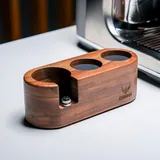
Tamping Stations
23 products · A seat for the portafilter and a home for the tools around it.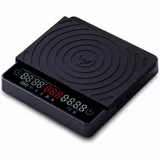
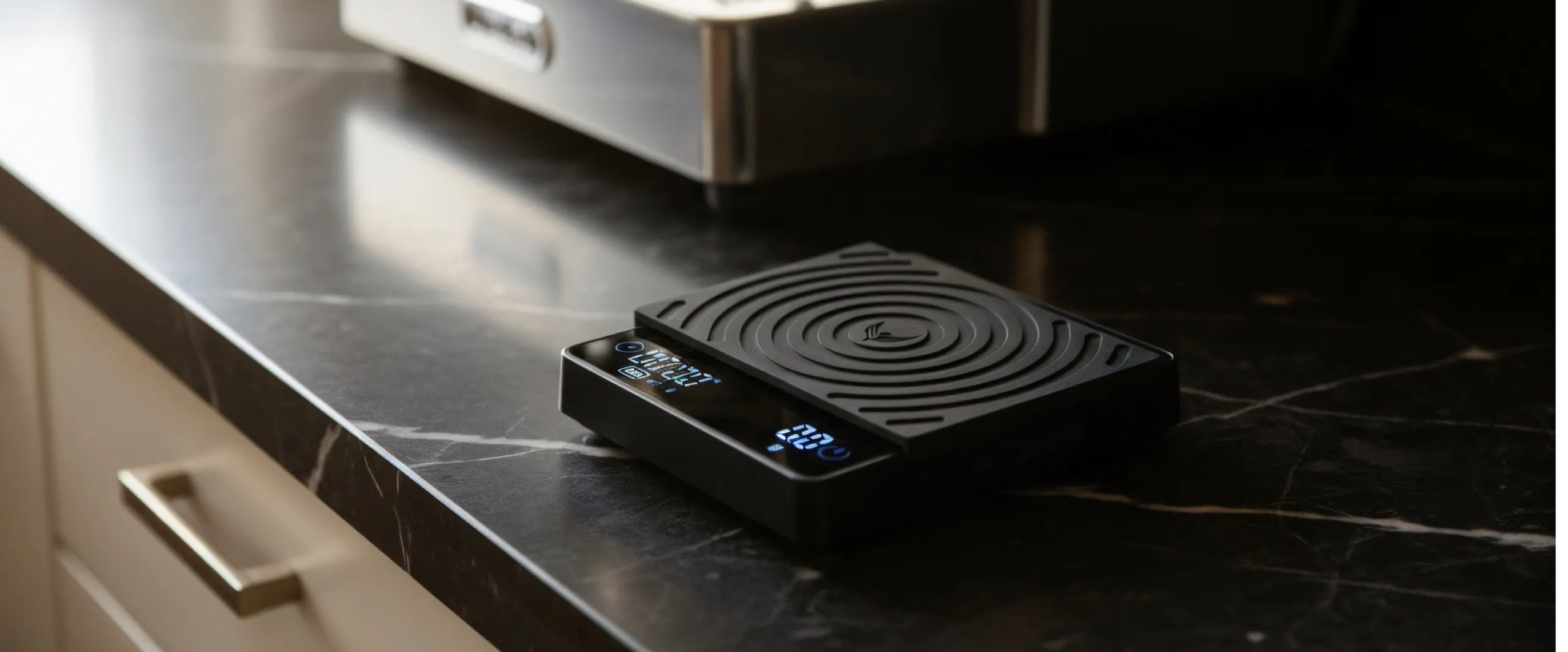
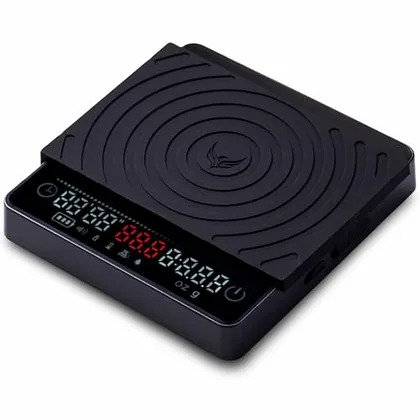
Coffee Scales
3 products · Grams and seconds, because espresso is a recipe.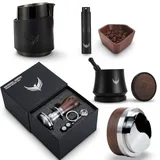
Bean Storage
7 products · One shot per tube, weighed once, sealed until the grinder asks.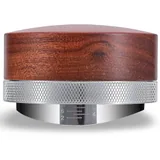
Distribution & WDT
29 products · Even grounds before the tamp: needles and levelers that end channelling.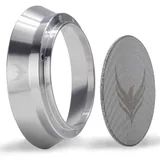
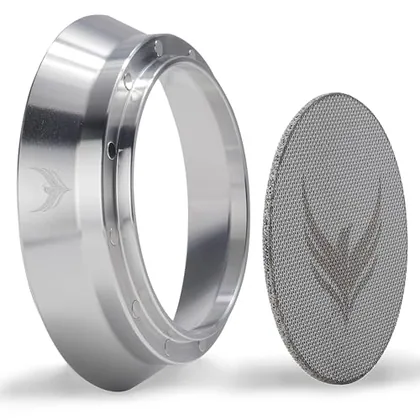
Dosing & Puck Screens
25 products · Keep the dose in the basket and the shower screen clean.
Portafilters & Baskets
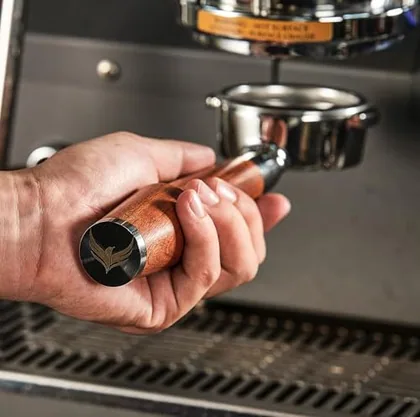
14 products · The naked view of a shot, in a handle that matches the rest of the bench.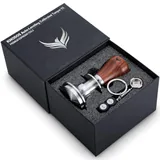
Tampers
19 products · Spring-loaded and self-levelling, so every press lands the same.Fit first
The machine finder
Precision fit matters for espresso prep. A 54 mm tool will not work on a 58 mm group head. Select your machine line below to view the tools sized specifically for your setup.
The bench, in order
Four steps before the water
Most channeled shots go wrong before you touch the brew switch. Preparing a bench follows a clear sequence: grind, distribute, tamp, and screen. Get those four steps right before water reaches the basket.
Step 1
Grind
Start with a burr grinder set to a fine table-salt texture. Published brewing guidance suggests aiming for 1 gram of dry coffee to 2 grams of brewed espresso over 20 to 30 seconds of water contact.
Step 2
Distribute
Grounds must sit evenly before pressure is applied. Published brewing guidance places distribution ahead of tamping, noting that purpose-made tools help prevent channeled paths. Explore our WDT needle stirrers and levelers to break up clumps.
Step 3
Tamp
A compact, level puck lets water saturate the coffee bed evenly. Calibrated tampers land the exact same pressure every time. Pairing your tool with a tamping station gives the portafilter a stable, secure seat.
Step 4
Screen and brew
Adding a puck screen keeps the shower screen clean while spreading incoming water across the bed. Aim for a 20 to 30 second extraction, stopped by a digital scale rather than a guess.
Brewing figures from Espresso, how to brew, National Coffee Association (About Coffee), read 11 August 2026.
51 / 54 / 58
Know your group size
| Size | Typically found on | Tools in the range |
|---|---|---|
| 51 mm | Compact home machines, including many De'Longhi models | 27 |
| 54 mm | Breville home machines: Barista Express, Pro, Touch, Bambino | 151 |
| 58 mm | Prosumer and commercial machines, E61 groups, Gaggia Classic | 102 |
The measurement that decides the fit is your machine's own basket. The size is stated on every tool page. When in doubt, measure the basket, not the outside of the portafilter.
Material
Three woods, one steel
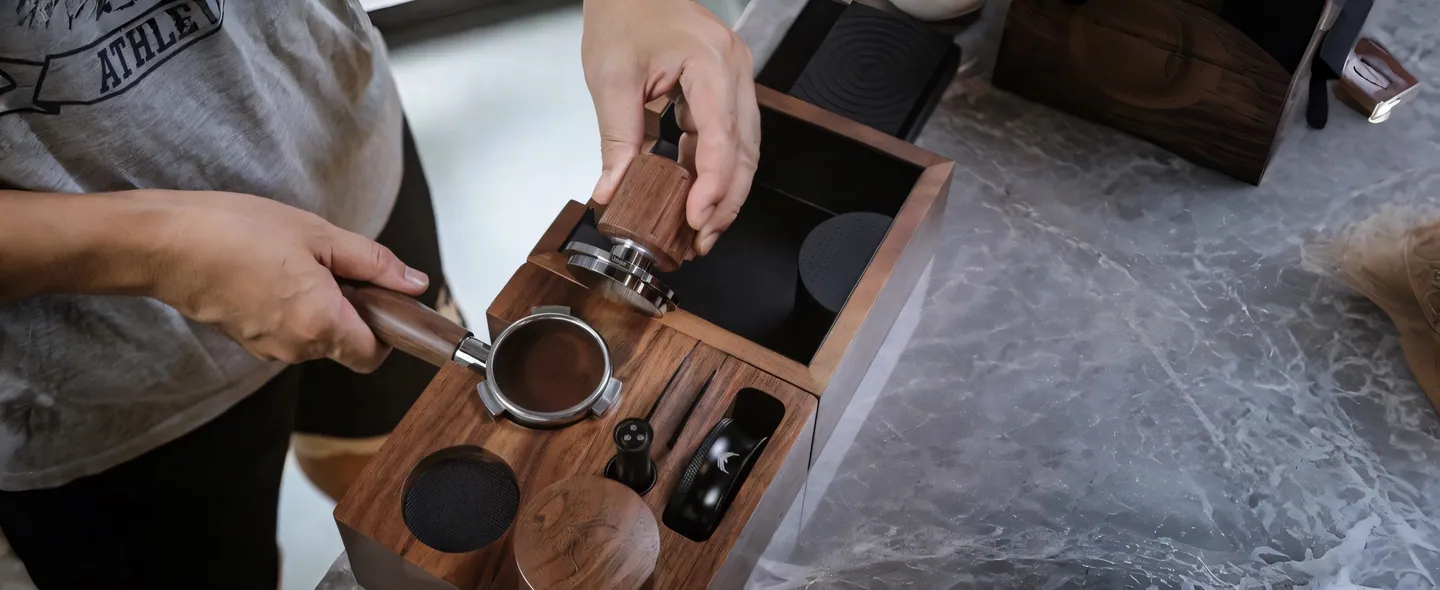
Our tools pair stainless steel bodies with solid hardwood handles and accents. Choose between walnut, rosewood, or maple depending on the look you want at your coffee bar and the feel in your hand.
Walnut
Dark brown with a clean, straight grain. Walnut finishes the largest share of our range for a classic coffee setup.
Rosewood
Deep red-brown and dense, rosewood features a strong figure that brings a warm contrast against stainless steel.
Maple
Pale and smooth with an even grain structure, maple serves as the light wood option across our tools.
Freshness
Store beans like they stale, because they do
Whole coffee beans stale rapidly in open air. Single-dose glass tubes hold one shot each, weighed once, so your morning workflow stays quick and consistent.
Coffee faces four main enemies: air, moisture, heat, and light. Keeping beans in an airtight, opaque container in a cool, dark place prevents rapid aging. Whole roasted beans stay fresh for one to three weeks at room temperature, while ground coffee holds freshness for only one to two weeks. For best results, grind right before pulling your shot. Browse our bean storage department for single-dose tubes, stands, and dosing cups.
Storage guidance from Storage and shelf life, National Coffee Association (About Coffee), read 11 August 2026.
Bundles
The kits, compared
Our tool kits collect your espresso bench into one order, matched in the same wood. Because two six-piece kits can contain entirely different tools, compare the actual contents side by side. Each kit page lists every item included.
| Kit size | Kits | Price range | Least expensive |
|---|---|---|---|
| 2 pieces | 1 | $128.30 | 58mm Tamper Kit 2-Piece |
| 3 pieces | 3 | $39.97 | 54mm Portafilter Funnel and Puck Screen Kit Grinder 3-Piece |
| 4 pieces | 1 | $139.36 | 54mm Breville Espresso Machine Accessories Tamper Set 4-Piece |
| 5 pieces | 2 | $128.72 to $194.60 | 54mm Coffee Tamper Kit 5pcs |
| 6 pieces | 11 | $149.47 to $213.23 | 58mm Walnut Espresso Tamper Kit 6pcs |
| 7 pieces | 1 | $178.87 | 54mm Rosewood Breville Bambino Accessories Kit 7pcs |
Every kit page lists its contents piece by piece. Compare contents against contents: two six-piece kits can hold different six pieces.
Care
Wipe, do not soak
Good espresso tools last for years with simple maintenance. Wipe them down after each session, and never submerge wooden parts. Coffee oils wipe clean off stainless steel, but standing water opens wood grain and ruins fine oil finishes.
- Steel partsRinse stainless steel tools under warm water after daily use and dry them completely with a clean towel.
- Wood handles and stationsWipe wood handles and tamping stations with a damp cloth and dry them immediately, keeping them out of standing water and away from the dishwasher.
- Puck screensRinse puck screens right after pulling a shot, and soak them in warm water occasionally to clear fine coffee particles from the mesh.
- Knock boxesEmpty your knock box daily, as wet spent grounds trap moisture against the wooden walls.
On the bench
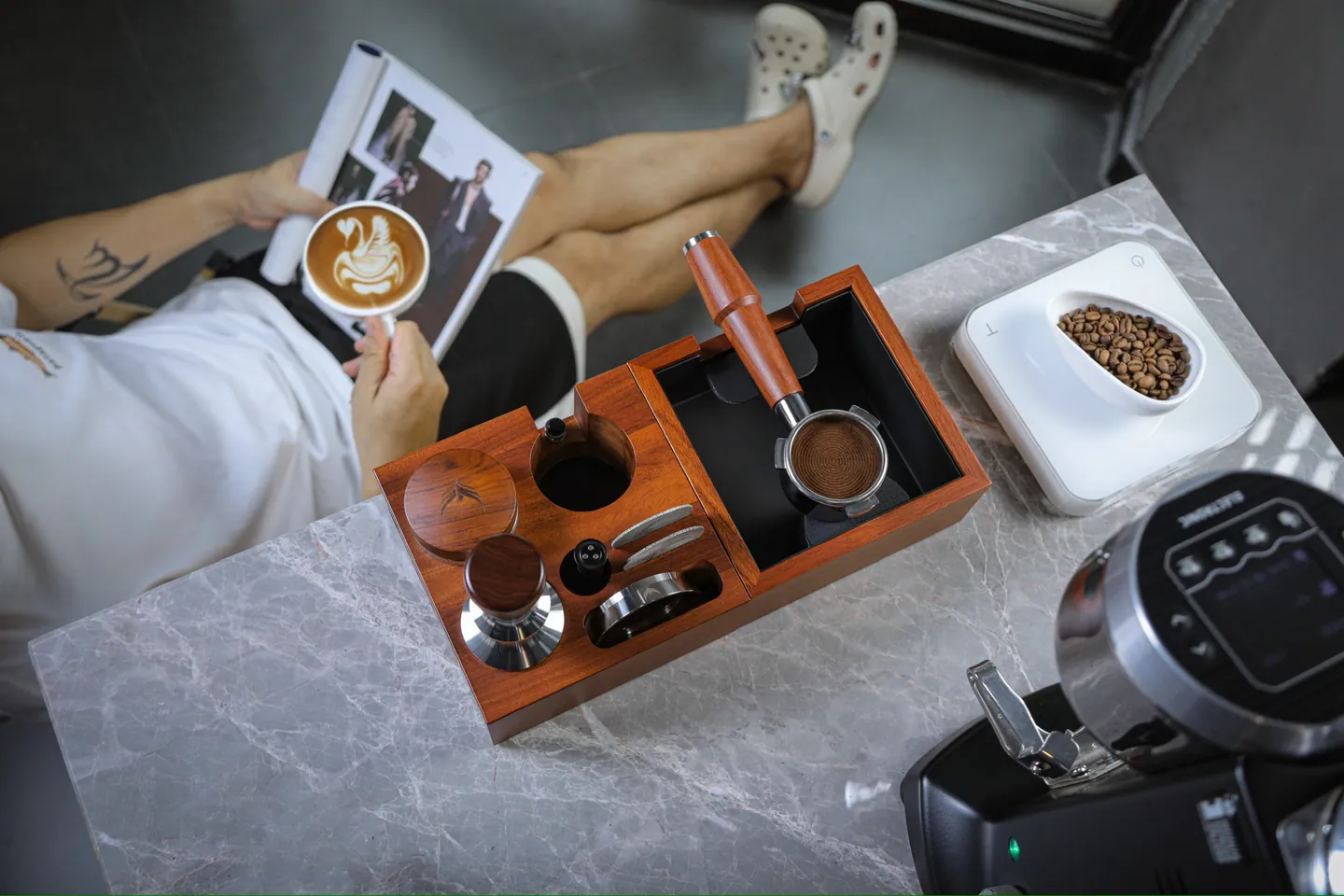
The range at work
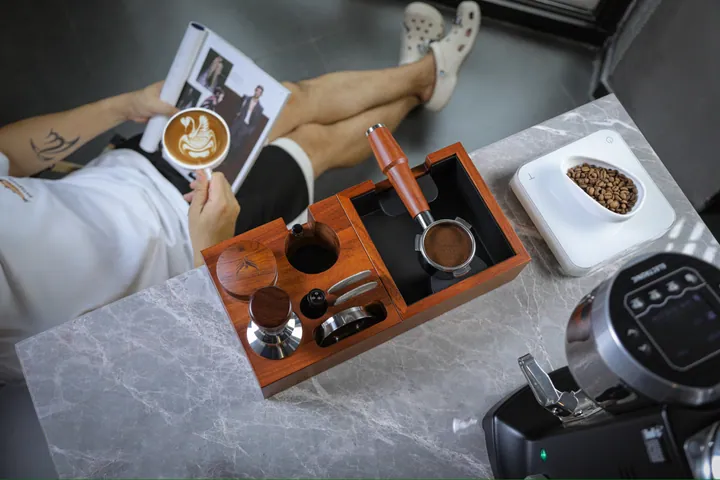
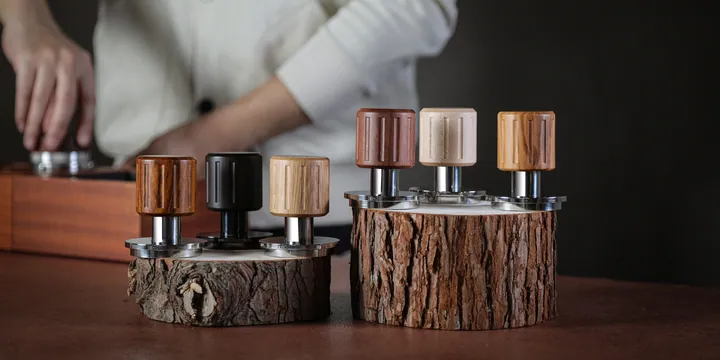
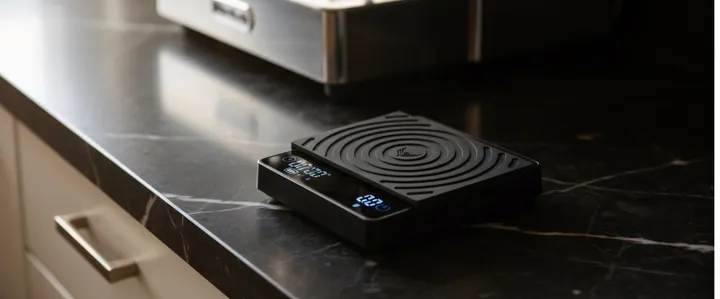
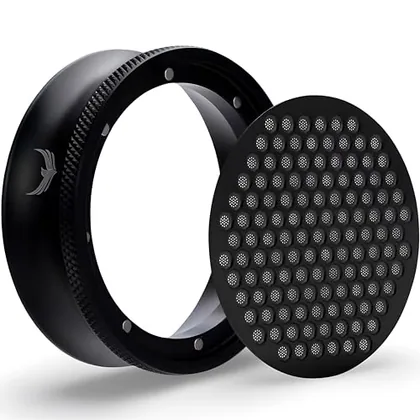
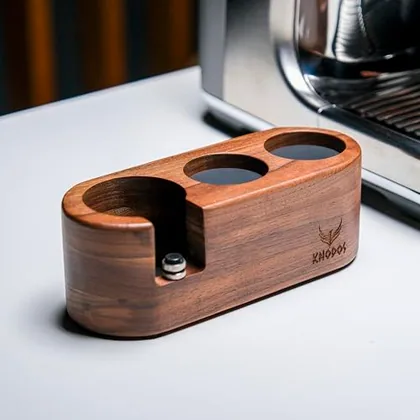
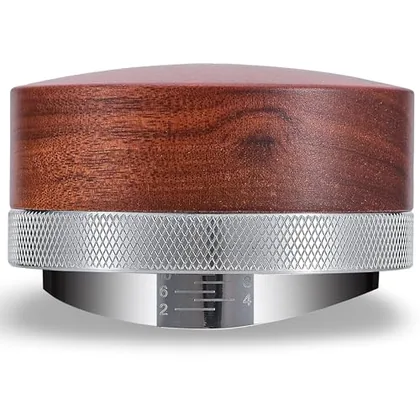
A look at our tampers, stirrers, and wooden stations set up on the bench.
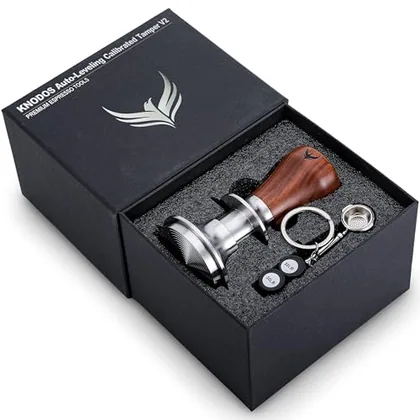
A place to start
One from each department
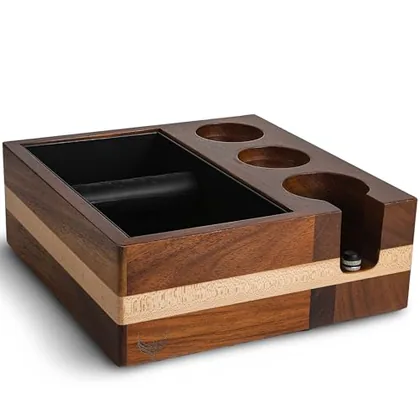
Knock Boxes
51mm Walnut Espresso Knock Box and Tamping Station
walnut · fits De'Longhi
Tamping Stations
51mm Rosewood Espresso Tamping Station
rosewood · fits De'Longhi
Portafilters & Baskets
54mm Rosewood Bottomless Portafilter Breville
rosewood · fits Breville